Doyles Window Tinting
Get Estimate

Automotive Window Tinting in Jeffersonville, IN

Film for daily drivers, work trucks, and cross-river commutes.


Doyles Window Tinting is a window tinting service at 1107 Reeds Ln in Jeffersonville, Indiana. Drivers call about cars, trucks, SUVs, and vans, about ceramic, carbon, and dyed film, and about old film that needs removing before anything new goes on. This page walks through the choices in plain terms: film types, coverage, windshield questions, and what to ask before any work begins. The shop is open Tuesday through Saturday, 9 AM to 5 PM, and closed Monday and Sunday.

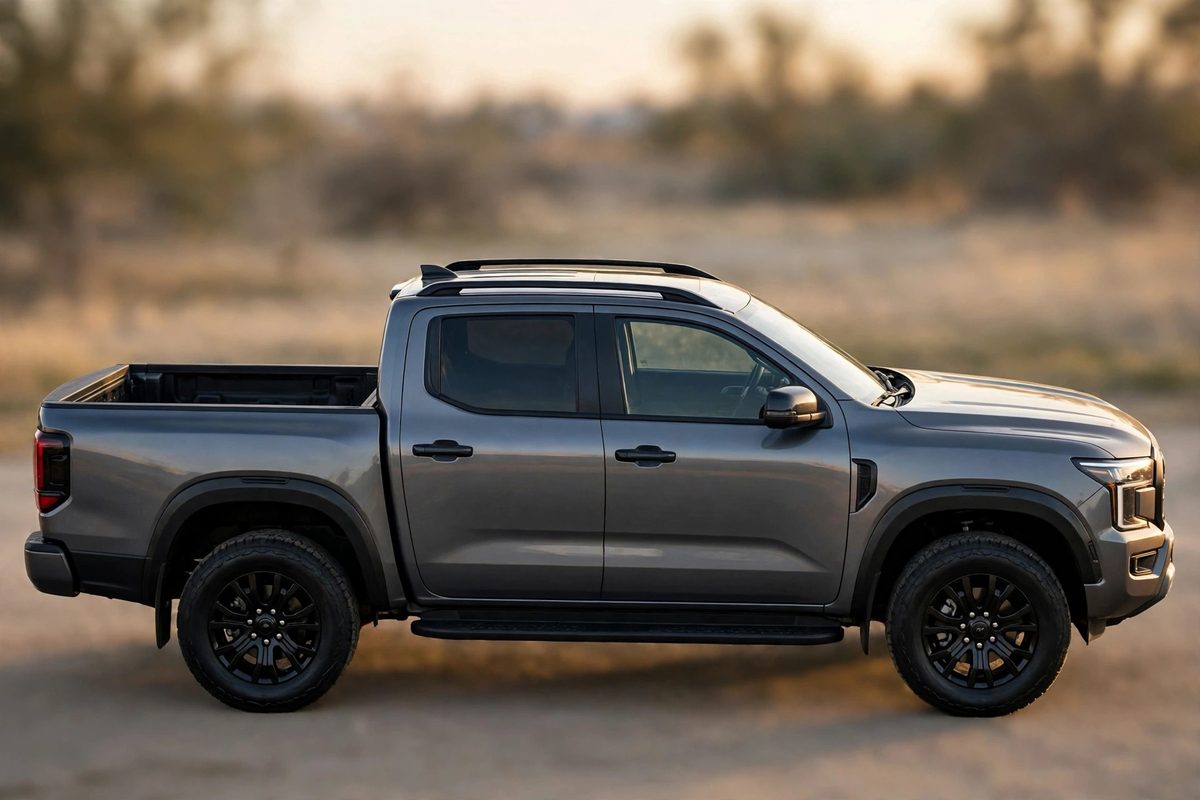
Pickup truck with tinted windows in late afternoon light, side view
Google rating 4.8 stars · 345 reviews
Shop hours Tue–Sat, 9 AM–5 PM
Shop address 1107 Reeds Ln, Jeffersonville
Phone (812) 382-2757

What this page covers for your vehicle

Every vehicle conversation starts in the same place: what the vehicle is, how it is used, and what the glass is doing now. The five topics below are the ones that shape most calls about automotive film in Jeffersonville.

Film type: ceramic, carbon, or dyed

Ceramic sits at the premium end of the range, carbon in the middle, and dyed at the entry end. The differences that matter are heat feel, glare, color stability over time, and how each film suits the way a vehicle is used. The film pages linked below lay each tier out on its own.

Coverage: full vehicle or partial

Some drivers tint every window. Others ask about the front two windows matched to factory-tinted rear glass, or about a single window. Coverage is a conversation about look, use, and consistency across the glass, and it is worth settling before film is chosen.

Windshield strip questions

A strip along the top of the windshield comes up often, and so do questions about full-windshield film. What belongs on a windshield is not a matter of taste alone, so bring the question to the call and talk it through before deciding anything.

Old film, removal, and re-tint

Purple, hazy, bubbling, or peeling film usually means the old film has to come off and the glass cleaned before new film goes on. Removal around rear defroster lines is worth asking about, since that glass needs care. The removal conversation is part of the re-tint conversation, not an afterthought.

Vehicle types, from sedans to work trucks

Sedans, coupes, SUVs, trucks, vans, and older or classic vehicles each bring different glass shapes and different uses. Electric vehicles come up as one more vehicle type among others. The sections below take each shape in turn, as part of this page rather than as separate pages.

What automotive window tinting involves in Jeffersonville


Automotive window tinting means applying film to a vehicle's glass to change how heat, glare, and light behave inside the cabin, and how much can be seen from outside. Film is cut to fit each window, usually applied to the inside of the glass, and finished at the edges. The visible result depends on the film chosen, the shade, the coverage, and the condition of the glass underneath. Old film, adhesive residue, and the shape of curved rear glass all shape the conversation before any new film is discussed. Jeffersonville's long, hot, humid summers are part of why drivers ask about film at all: a vehicle parked outside through an afternoon takes a long time to feel comfortable again, and strong low sun makes glare a daily companion on east-west drives and river crossings.

Most calls are about ordinary daily drivers, and a good share of Jeffersonville driving crosses the Ohio River: the Kennedy Bridge carries I-65 southbound, the Lincoln Bridge carries I-65 northbound, the Clark Memorial Bridge carries US-31, and the Lewis & Clark Bridge carries I-265 at the east end, while the Big Four Bridge is for pedestrians and bicycles only. Indiana and Kentucky window tint rules differ, so drivers whose routines cross the river should read the Indiana–Kentucky tint law guide before choosing film. Boats and recreational vehicles come up from time to time as well; if that is your question, call and ask whether it is something the shop takes on, since this page makes no promise about either. The shop's number is (812) 382-2757, and the hours are Tuesday through Saturday, 9 AM to 5 PM.

How a vehicle tint conversation runs, start to finish

There is no online booking to walk through here. The process is a phone call, a conversation about the vehicle and the glass, and a plan made during shop hours.

01

Call the shop

Call (812) 382-2757 during shop hours, Tuesday through Saturday, 9 AM to 5 PM. The shop is closed Monday and Sunday. Have the vehicle and the windows in mind when you call.
02

Talk through the vehicle

Year, shape, and use matter: a sedan parked in a garage lives a different life from a work truck parked outside all day. Say what the glass looks like now, including any old film.

03

Settle film and coverage

Ceramic, carbon, or dyed film, full coverage or partial, and any windshield-strip question all get talked through together. Ask about pricing for your vehicle and coverage on the same call.

04

Plan a visit in shop hours

The shop is at 1107 Reeds Ln. Ask where the work happens for your glass, what to bring, what the visit looks like, and what care questions to raise before you leave.

What careful vehicle film work involves

Stages of the work, in general terms

Glass preparation

Film shows whatever is under it, so the glass is cleaned and checked before film goes on. Old adhesive and residue matter here, and so does the condition of the glass itself. Ask how preparation is handled for a vehicle with old film.

Pattern fit

Each window needs film shaped to that window. Curved glass, tight corners, and rear windows with defroster lines each raise their own fit questions. Ask how patterns are fitted for your vehicle's shape.

Shaping film to curved glass

Rear glass curves in more than one direction, and film has to follow the curve without creasing or lifting at the edges. This is one of the places where hurried work shows first, so it is worth asking about.

Edge finishing

Edges are where film meets the window frame and where lifting starts if the finish is poor. A careful look at the edges before leaving is a reasonable part of any visit.

Looking the work over

Before the vehicle leaves, the glass is worth a slow look in good light: edges, corners, and clarity across each window. Ask what to look for and what care questions to raise.

Questions worth asking

Which film tier, and why

Ceramic, carbon, and dyed film sit at different points on heat feel, glare, and color stability. Ask what each tier would mean for the way your vehicle is actually used, not just how it looks on day one.

What the shade choice means

Shade changes look, privacy, and visibility. Ask how a shade behaves in daylight and at night, and how it will look next to any factory-tinted rear glass.

What happens with old film

If old film is failing, ask how removal is handled, what happens to the adhesive, and how the glass is checked before new film goes on, especially around rear defroster lines.

What care questions to raise

Cleaning, curing, and what to watch for in the early days are all worth asking about before leaving. Ask, and note the answers, rather than guessing afterward.

Situations Jeffersonville drivers call about

01

A daily driver that crosses the river for work.

What to ask: The drive over the Kennedy, Lincoln, Clark Memorial, or Lewis & Clark Bridge means low sun, glare off wet pavement, and long hours parked outside. The conversation covers film type, coverage, and how the vehicle is used on both sides of the river.

→ The aim is film that suits the commute, not just the parking lot.

02

A truck or SUV parked outside all day.

What to ask: Work trucks and family SUVs that sit outside take the full force of a humid Jeffersonville afternoon. The conversation covers heat feel, glare, and whether ceramic or carbon film fits the way the vehicle is used.

→ Heat, glare, and daily use set the terms of the choice.

03

An older vehicle with purple or peeling film.

What to ask: Dyed film can shift color and lose clarity over time, and failing film can bubble or lift at the edges. The conversation covers removal, the state of the glass underneath, and which film goes on next.

→ Removal and re-tint are discussed together, as one job.

04

Front-two windows and a windshield strip.

What to ask: Matching the front two windows to factory-tinted rear glass is a common request, and so is a strip along the top of the windshield. The conversation covers consistency of look, visibility, and what questions to ask before deciding.

→ Partial coverage is settled window by window, not assumed.

Vehicles, coverage, and Jeffersonville driving

Jeffersonville is a river-crossing car market, and the vehicles on its streets reflect that: daily drivers, work trucks, family SUVs, and older vehicles kept on the road. The topics below are the ones that come up when film is discussed for each shape and use.

Vehicle types and coverage, as sections of this page

  • Sedans and coupes

    Smaller glass areas and curved rear windows. The conversation covers film type, shade, and how the rear window's curve is handled.

  • SUVs, trucks, and vans

    Larger glass, more of it, and often a working life parked outside. Coverage and consistency across many windows are the main questions.

  • Older and classic vehicles

    Older glass, previous film, and trim that needs care. The conversation starts with what is on the glass now and what condition it is in.

  • Partial coverage and re-tint

    Front-two matching, single windows, and removal followed by new film. Each is discussed as part of this page, not as a separate service page.

Local conditions that shape the conversation

  • Long, hot, humid summers

    Heat builds in parked vehicles and humidity hangs in the air. Film conversations here start from heat feel and glare, not from looks alone.

  • River glare on the commute

    Light reflecting off the Ohio River and off wet pavement adds glare to river crossings and riverfront driving. Glare is a practical question, not a cosmetic one.

  • Many directions of sun

    Morning and evening sun hit different glass at different hours. Which windows face the sun on your regular routes is worth mentioning on the call.

Three conversations that come up often

The situation

A driver parks outside all day and climbs into a stifling cabin every afternoon, with sun glaring through the side glass on the way home.

What the conversation covers

Film type and coverage, how the vehicle is used, and what the driver notices most: heat, glare, privacy, or all three at once.

Next step: Call during shop hours and describe the vehicle, the parking, and the routes. The conversation starts there.

The situation

A vehicle's film has gone purple and hazy, with bubbles along the top of the rear window, and night visibility through it feels worse than it used to.

What the conversation covers

Removal of the old film, the condition of the glass underneath, and which film tier makes sense next, given how the vehicle is used.

Next step: Mention the old film when you call, including which windows are affected and whether the rear window has defroster lines.

The situation

A driver likes the factory-tinted look of the rear glass and wants the front windows to match, plus something for the top of the windshield.

What the conversation covers

Partial coverage window by window, consistency of look across the glass, and the windshield-strip question, talked through before any decision.

Next step: Ask about partial coverage on the call, and say which windows matter most to you.

Tint problems drivers ask about

Not every call is about new film. Many are about film that is failing, or about heat and glare that film has not solved. The four problems below are the ones that come up most.

Problem

Purple or hazy film

Film that has shifted color or lost clarity usually points to dyed film that has aged under sun and heat. It looks tired, and it can make the view through the glass worse.

What to discuss

Removal and re-tint: what the old film is doing, what the glass looks like underneath, and whether a different film tier fits better next time.

Problem

Bubbles and lifting edges

Bubbles and edges that lift usually trace back to preparation, contamination under the film, or film that has aged past its best. Once lifting starts, it tends to spread.

What to discuss

How removal is handled, how the glass is prepared, and what to look for at the edges when new film goes on.

Problem

Heat that film does not seem to touch

A dark look does not always mean the heat you feel through the glass has changed. Film tiers differ in how they handle the heat you feel, and shade alone does not settle it.

What to discuss

Film tier rather than shade alone: what ceramic, carbon, and dyed film each do about the heat you feel, in general terms.

Problem

Glare on the commute

Low sun, wet pavement, and river crossings combine into glare that hides lanes and wears on the eyes, especially at the start and end of the day.

What to discuss

Which windows the glare comes through on your routes, and how film type and shade are talked about for those windows.

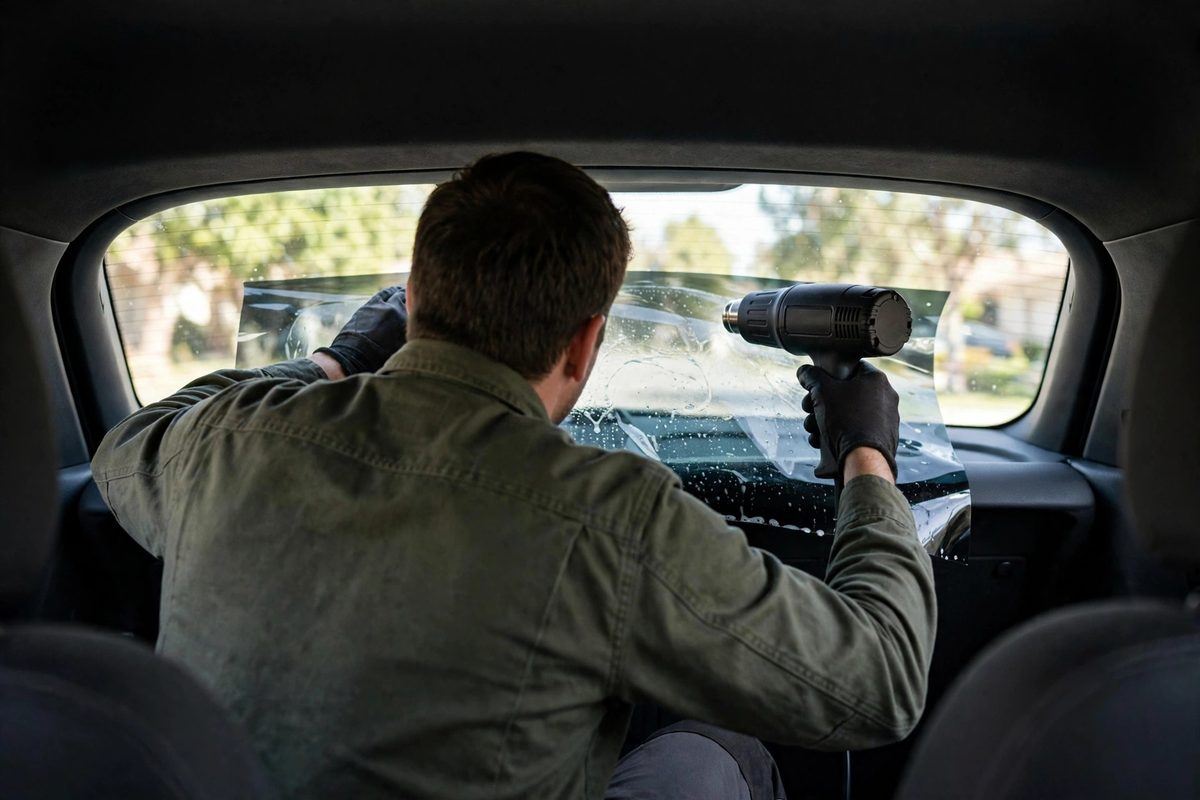
Installer applying film to a car rear windshield from inside, holding a heat gun

Why Jeffersonville drivers ask about window film

Film is discussed for comfort, for the view out, and for privacy, in that order more often than for looks alone. For more background, see the Jeffersonville service-area page and the post on how much car window tinting costs in Jeffersonville.

  • Heat you feel through the glass

    The heat felt on an arm through side glass on a summer afternoon is the complaint that starts most conversations. Film tiers differ in how they address it, and the differences are worth talking through rather than assuming.

  • Glare, morning and evening

    Low sun on the commute and reflected light near the river make glare a daily matter. Film is discussed as one way to ease it on the windows where it hits hardest.

  • Privacy for people and belongings

    Film changes how much can be seen into a parked vehicle. Shade choices balance privacy against visibility, and the balance is different for every driver and every use.

  • Fading of interiors over time

    Sun exposure fades dashboards, seats, and trim over time. Film is part of the conversation about slowing that fading, alongside where and how the vehicle is parked.

What the public listing shows

Listing facts

  • Window tinting service — the only category shown on the Google listing
  • 1107 Reeds Ln — Jeffersonville, IN 47130, address shown on the listing
  • Tuesday–Saturday, 9 AM–5 PM — closed on Monday and Sunday
  • 4.8 stars, 345 Google reviews — the aggregate rating on the listing

Review breakdown

Google reviews ★★★★★4.8

The Google listing shows 4.8 stars across 345 reviews. Three of those reviews are quoted word for word further down this page, with the reviewer's name and the date Google shows.

Five-star reviews ★★★★★322

Most of the 345 reviews are five-star: 322 of them. The rest are spread across four, three, two, and one star, and that full spread is part of the 4.8 average.

All other ratings —23

Three reviews are four-star, four are three-star, six are two-star, and ten are one-star. Ask about anything that concerns you when you call.

A Jeffersonville shop you can call

Doyles Window Tinting works from 1107 Reeds Ln in Jeffersonville, and the phone is the way to reach the shop: (812) 382-2757. Hours are Tuesday through Saturday, 9 AM to 5 PM, with Monday and Sunday closed. The Google listing shows 4.8 stars across 345 reviews. Call with the vehicle in mind, and ask about film type, coverage, removal, and pricing for your situation.

  • Shop at 1107 Reeds Ln, Jeffersonville, IN 47130
  • Open Tuesday through Saturday, 9 AM to 5 PM
  • Closed Monday and Sunday
  • Phone: (812) 382-2757, the only contact channel listed here
  • Google rating: 4.8 stars from 345 reviews
Call (812) 382-2757
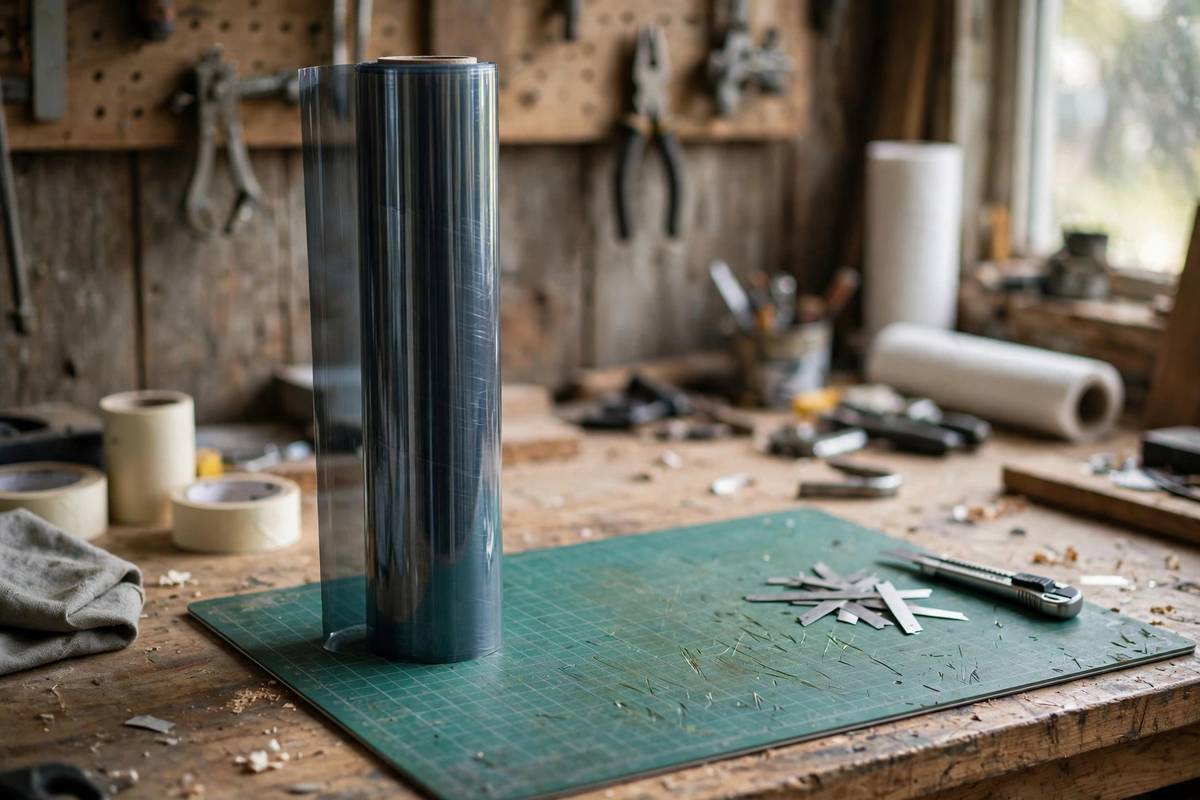
Roll of window film beside a cutting mat and utility blades in a workshop

What customers say on Google

Three five-star Google reviews, quoted word for word, with the name and date Google shows. The shop's overall rating is 4.8 stars from 345 reviews.

“Doyle’s is the only place I take my vehicles to for tint. They do excellent work and have great prices. They stand behind their lifetime warranty no questions asked. The new ceramic tint is amazing. It keeps the inside of my vehicle’s cooler in the summer sun. The ceramic is definitely worth the extra money. If you’re looking for a trustworthy place that does excellent work then Doyle’s is the place for you.”

M

Michael Osborne

5 stars · 9 months ago · Google review

“If you're looking for reliable friendly service and extraordinary quality, then you have to go to Doyle's! I've taken 4 cars to him now and every time was an amazing experience. No bubbles or light gaps like I've had in the past from another other local shop. Can't say enough good things about Doyle's Window Tinting!”

M

Meghan Vest

5 stars · a month ago · Google review

“Amazing price and great service! Doyles has done every vehicle I own and even did the windshield on the can am x3. Best in the business!”

C

Chris Nalley

5 stars · 2 months ago · Google review

Automotive tint questions, answered plainly

Answers that stay inside what is known. Anything about pricing, scheduling, or a specific vehicle is a question for the call.

How much does car window tinting cost in Jeffersonville?
This site does not publish prices, and no price is stated anywhere on this page. Pricing depends on the vehicle, the film tier, and the coverage, so call (812) 382-2757 during shop hours and ask about pricing for your vehicle and the coverage you have in mind.
Which film is right for a daily driver: ceramic, carbon, or dyed?
It depends on heat, glare, color stability, and how the vehicle is used. Ceramic is the premium tier, carbon sits in the middle, and dyed is the entry tier with the most honest questions about color over time. The film pages on this site lay out each tier, and the call is where the choice gets settled.
Can old purple or bubbling tint be removed and replaced?
Removal and re-tint is a common conversation. Ask whether removal and re-tint are offered, and how the old film, the glass, and any new film are handled, including what to ask about rear defroster lines. The post on why car tint turns purple or bubbles gives more background on how film fails.
How do I arrange a visit?
Call (812) 382-2757 during shop hours, Tuesday through Saturday, 9 AM to 5 PM. The shop is closed Monday and Sunday. Say what vehicle you have, what the glass looks like now, and what you want the film to do, and plan the visit from there.
Call about automotive window tinting in Jeffersonville

Call (812) 382-2757 during shop hours, Tuesday through Saturday, 9 AM to 5 PM. Say what vehicle you have and what the glass is doing now, and ask about film type, coverage, and pricing. The shop is closed Monday and Sunday.

Call (812) 382-2757 Contact the shop

Contact Doyles Window Tinting

Call (812) 382-2757 to ask about automotive film, or to ask any question this page did not answer. The phone is the contact channel listed here. Mention the vehicle, the windows, and whether any old film is on the glass, and ask about pricing and the next step during shop hours.

Doyles Window Tinting


  • Address

    1107 Reeds Ln, Jeffersonville, IN 47130

  • Hours

    Monday: Closed
    Tuesday–Saturday: 9 AM–5 PM
    Sunday: Closed
    Call during shop hours

Call (812) 382-2757 Get Quote
Call Quote