
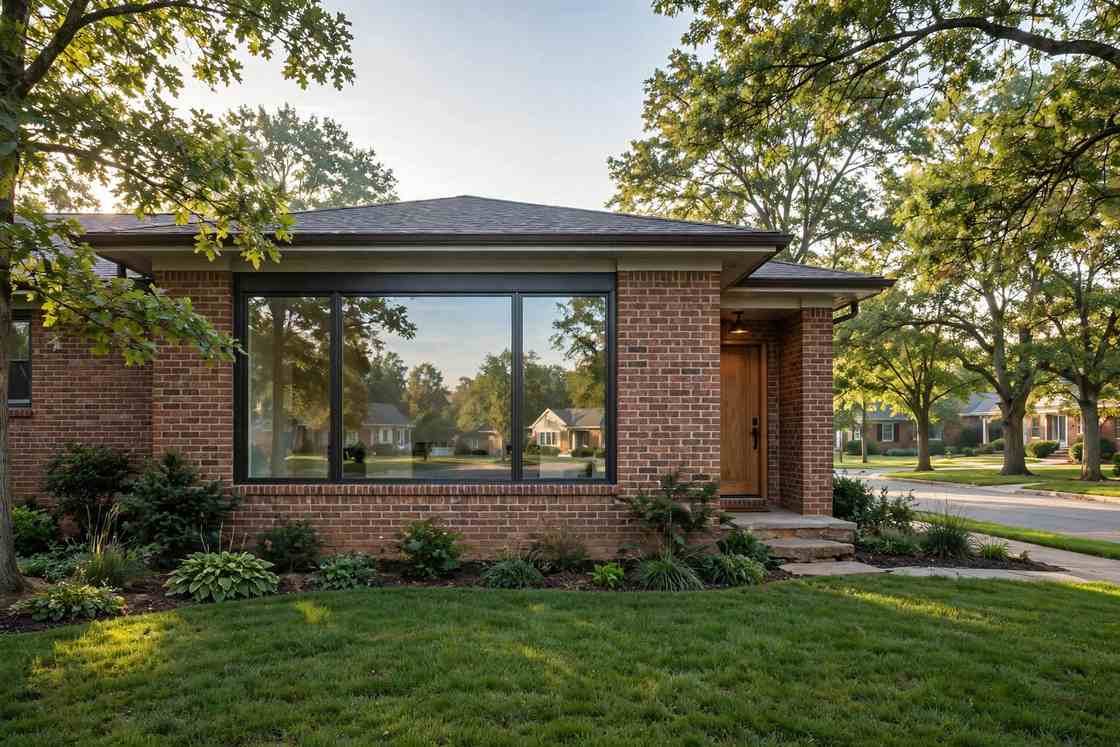
Heat in sun-facing rooms
Rooms facing west and south take the hardest sun, and film is discussed as one way to ease the heat felt in them. The discussion is qualitative: no figures, and no claims about bills or savings, are made on this page.
Home film is discussed room by room and direction by direction, because no two rooms in a house take the sun the same way. The six topics below are the benefit areas and question areas that shape most calls about home glass.
Rooms facing west and south take the hardest sun, and film is discussed as one way to ease the heat felt in them. The discussion is qualitative: no figures, and no claims about bills or savings, are made on this page.
Glare makes screens hard to read and seating areas uncomfortable at certain hours. Which windows the glare comes through, and when, is the starting point for the conversation.
Sun exposure fades hardwood, furniture, and fabrics over time. Film is part of the conversation about slowing fading on the glass that lets the sun in, alongside curtains, shades, and how rooms are used.
Street-facing glass and glass close to neighboring homes raise privacy questions. Film options for privacy are discussed on the privacy page, and the light-balance point there applies at home too.
Sunrooms, large picture windows, and sliding-door glass take more sun than ordinary windows and raise their own questions. Glass type, direction, and size all belong in the conversation.
Older sash, single-pane glass, and leaded or stained glass raise questions that newer glass does not. This page frames those as questions with a verification path, never as answers.
Residential window tinting means applying film to the glass of a home to change how heat, glare, and light behave in the rooms behind it, and how much can be seen from outside. The work is discussed pane by pane: which rooms, which directions, what type of glass, and what is already on it. Sun control is the umbrella term for the heat and glare side of the conversation, and it is discussed here in qualitative terms only: how rooms feel, where glare hits, and what fades. No figures are stated for heat, light, or fading, and no claim is made about cooling bills or savings of any kind. The honest version of the home film conversation is about comfort and fading in the rooms you live in, weighed room by room.
Jeffersonville homes fall into three broad eras, and the era shapes the glass questions. The historic core holds predominantly nineteenth- and early-twentieth-century stock, with original sash and sometimes leaded or stained glass. The mid-century ring holds 1948–1970s brick and stone ranches and bi-levels, with picture windows and single-pane-era glazing questions. The 1990s–2020s subdivisions hold larger, newer homes where association documents raise their own questions. Whether applied film on a street-facing facade in a historic district needs a Certificate of Appropriateness is an open question, since the design guidelines do not mention applied film; questions about review go to the Building Commissioner's office. Whether any homeowners association restricts film is a question for that association's own documents, since no such rule has been verified for any Jeffersonville regime. Call (812) 382-2757 during shop hours and ask about pricing for your rooms.
Home film starts with the rooms, not with the film. The steps below follow the rooms, the directions, and the questions each home raises.
Call the shop
Call (812) 382-2757 during shop hours, Tuesday through Saturday, 9 AM to 5 PM. The shop is closed Monday and Sunday. Say you are asking about home glass.
Talk through rooms and directions
Which rooms overheat or glare, which direction their glass faces, and what type of glass is in the frames. Sunrooms, large glass, and west-facing rooms are worth naming.
Settle film, rooms, and questions
Film tier, which rooms, and the questions the home raises: older glass, association documents, and street-facing facades. Ask about pricing for your rooms on the same call.
Plan the next step
Ask what the next step looks like for home glass, what information the shop needs, and what care questions to raise before anything is settled.
Measuring and describing the glass
Pane sizes, glass type, and direction all matter. A good description on the call, room by room, is the foundation of the conversation about home film.
Direction and exposure
West-facing and south-facing glass take the hardest sun. Direction is one of the first facts worth stating, since it decides which rooms the conversation centers on.
Glass type and age
Single-pane sash, newer double glazing, and Low-E glass each raise different questions about film. The type and age of the glass belong in the conversation, as questions.
Existing coverings and film
Curtains, shades, and any film already on the glass change what new film would do. Say what is already there when you call.
Looking the work over
Clarity, consistency from pane to pane, and the state of the edges are what to look at when work is finished. Ask what to look for.
What the film is for, room by room
Heat, glare, fading, and privacy weigh differently in different rooms. Naming the purpose room by room keeps the conversation honest.
What the glass allows
Older sash, single-pane glass, and leaded or stained glass raise compatibility questions. Ask, rather than assuming any film suits any glass.
What the documents say
Association documents and historic-district review are questions with verification paths, covered in the sections above. Ask where to check, and check.
What care looks like
Cleaning and curing questions belong before the work. Ask, and note the answers, rather than guessing afterward.
01
What to ask: The room takes the afternoon sun at full strength and feels unusable through the hottest hours. The conversation covers which panes matter, what the glass is, and which film tier fits the exposure.
→ Direction and exposure set the terms of the choice.
02
What to ask: Sunrooms and large panes take more sun than ordinary windows, and glare can make them hard to sit in. The conversation covers glass type, size, direction, and what film is discussed for in that setting.
→ Large glass raises its own questions, pane by pane.
03
What to ask: Hardwood, furniture, and fabrics near sunny glass fade over time. The conversation covers which glass lets the sun in, what is fading, and what film is part of the discussion about slowing it.
→ Fading is discussed pane by pane, not house-wide.
04
What to ask: Original sash, single-pane glass, and a street-facing facade raise questions about compatibility and review. The conversation frames them as questions with verification paths, starting with the Building Commissioner's office for review questions.
→ Older homes get questions first, answers only where verified.
Jeffersonville's housing stock spans three eras, and each era brings different glass. The topics below follow the eras, and the local questions that travel with them.
Historic core homes
Predominantly nineteenth- and early-twentieth-century stock, with original sash and sometimes leaded or stained glass. Compatibility and review questions come first, as questions.
Mid-century ring homes
1948–1970s ranches and bi-levels with picture windows and single-pane-era glazing. Glare and privacy conversations are common, alongside glass-type questions.
1990s–2020s subdivisions
Larger, newer homes with newer glazing. Association documents raise questions here, and the documents themselves are the place to check.
Sunrooms and large glass
Sunrooms, picture windows, and sliding doors take the most sun and raise the most questions about glass type and exposure, in homes of every era.
Apartments and condos
Apartment and condo glass raises permission questions alongside film questions. What the regime's documents say is the question to ask first.
Historic-district review
Whether applied film on a street-facing facade needs a Certificate of Appropriateness is unresolved, since the guidelines do not mention applied film. Questions go to the Building Commissioner's office.
Association and condo documents
No window-film rule has been verified for any Jeffersonville association or condo regime. The regime's own documents are the verification path, and this site states no association's rule.
Older and special glass
Single-pane sash, Low-E glass, and leaded or stained glass each raise questions about film. Ask about compatibility rather than assuming it.
West-facing and south-facing rooms
Direction decides which rooms the conversation centers on. West-facing rooms take the hardest afternoon sun, and south-facing glass takes sun through the day.
Home film is discussed for comfort and fading problems that live in specific rooms. The four below are the ones that come up most, stated without figures or promises.
Problem
West-facing and south-facing rooms can feel unusable through the hottest hours. Film is discussed as one part of the conversation about those rooms, alongside shades and use.
What to discuss
Which rooms, which directions, and what the glass is, and which film tier fits the exposure in qualitative terms.
Problem
Glare hits certain windows at certain hours and makes screens unreadable and seating uncomfortable. The conversation starts with where and when the glare lands.
What to discuss
Which windows the glare comes through, at what hours, and how film is weighed for those windows.
Problem
Hardwood, furniture, and fabrics fade where sun falls on them day after day. Film is part of the conversation about slowing fading, not a promise about it.
What to discuss
What is fading, which glass lets the sun in, and what film is discussed for in that setting.
Problem
Street-facing glass and glass close to neighboring homes raise privacy questions that differ by room and by hour. Light balance matters: privacy depends on which side is brighter.
What to discuss
Which glass, which hours, and what level of privacy is wanted, with the privacy page's light-balance point in mind.
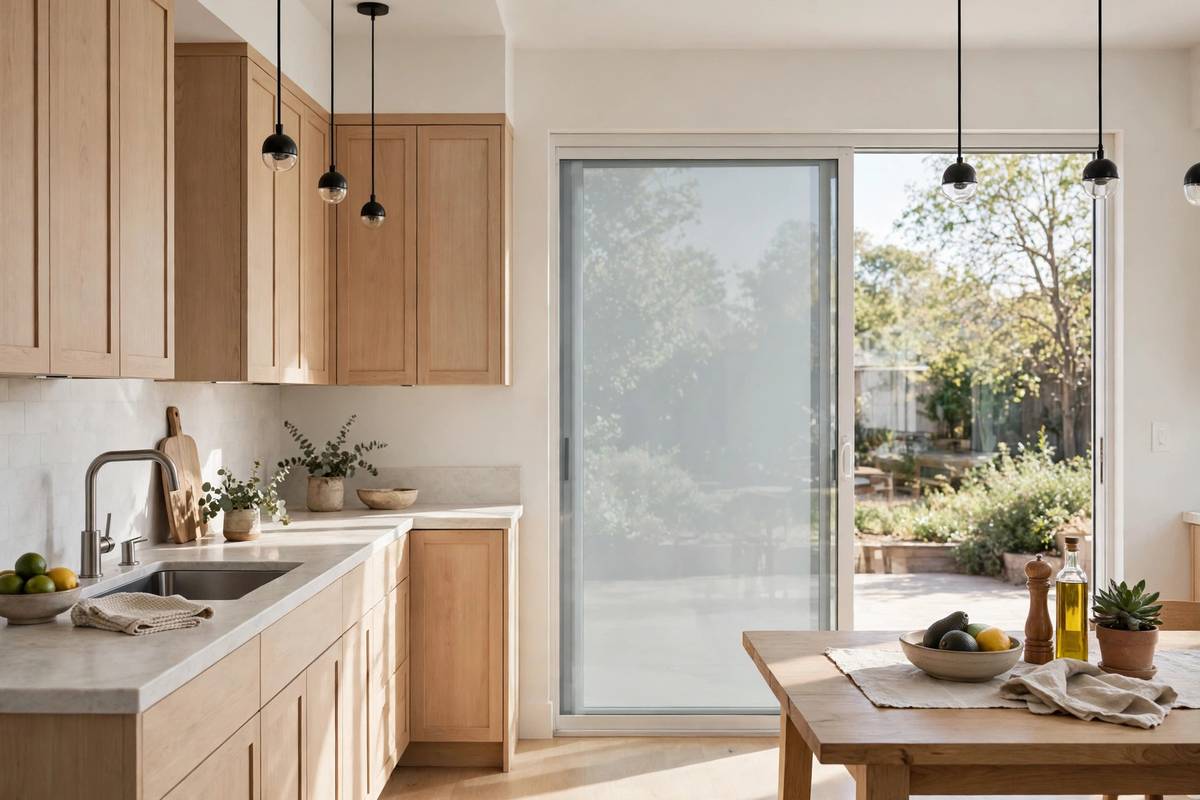
Homeowners ask about film for comfort in sun-facing rooms, for fading, for glare, and for privacy, usually in that order. For more background, see the Jeffersonville service-area page and the post on what every Jeffersonville homeowner should know before tinting windows.
Comfort in sun-facing rooms
Rooms that overheat or glare are rooms that go unused. Film is discussed as one way to make those rooms livable again, in qualitative terms and without claims about bills.
Slowing fading
Floors, furniture, and fabrics near sunny glass fade over time. Film is part of the conversation about slowing that fading, pane by pane.
Easing glare
Glare on screens and seating areas is a daily annoyance in sun-facing rooms. Film is weighed for the windows where glare lands, at the hours it lands.
Privacy, room by room
Privacy needs differ by room and by hour. Film options for privacy are discussed with the light-balance point stated plainly: privacy depends on which side is brighter.
Google reviews ★★★★★4.8
The Google listing shows 4.8 stars across 345 reviews. Three of those reviews are quoted word for word further down this page, with the reviewer's name and the date Google shows.
Five-star reviews ★★★★★322
Most of the 345 reviews are five-star: 322 of them. The rest are spread across four, three, two, and one star.
All other ratings —23
Three four-star, four three-star, six two-star, and ten one-star reviews make up the other 23, and all of them count toward the 4.8 average.
Home film is a room-by-room conversation, and it starts with a call. Call Doyles Window Tinting at (812) 382-2757, Tuesday through Saturday, 9 AM to 5 PM, from the shop at 1107 Reeds Ln in Jeffersonville. Describe the rooms, the directions, and the glass, and ask about film, pricing, and the questions your home raises. The Google listing shows 4.8 stars from 345 reviews.
Three five-star Google reviews, quoted word for word, with the name and date Google shows. The shop's overall rating is 4.8 stars from 345 reviews.
“This is the place to go for your tinting needs!! Everybody was super nice and very welcoming!! The tint came out perfect!! They also did the tint on my windshield! It looks amazing!! I love it!! Thanks Doyle’s for a great experience!!”
candice january
Local Guide · 5 stars · 2 months ago · Google review
“If you're looking for reliable friendly service and extraordinary quality, then you have to go to Doyle's! I've taken 4 cars to him now and every time was an amazing experience. No bubbles or light gaps like I've had in the past from another other local shop. Can't say enough good things about Doyle's Window Tinting!”
Meghan Vest
5 stars · a month ago · Google review
“Doyle’s is the only place I take my vehicles to for tint. They do excellent work and have great prices. They stand behind their lifetime warranty no questions asked. The new ceramic tint is amazing. It keeps the inside of my vehicle’s cooler in the summer sun. The ceramic is definitely worth the extra money. If you’re looking for a trustworthy place that does excellent work then Doyle’s is the place for you.”
Michael Osborne
5 stars · 9 months ago · Google review
Plain answers, with the limits stated. Anything about a specific home, room, or price is a question for the call.
The head page for vehicle film: vehicle types, coverage, windshield questions, and removal and re-tint, with the cross-river driving context.
View Automotive Window TintingThe premium film tier, discussed for heat feel and glare on vehicles and glass alike, with the coating disambiguation stated plainly.
View Ceramic Window TintingFrosted, patterned, gradient, and etched-look film for privacy and style at home and at work, including frosted film as a core topic.
View Decorative Window FilmFilm discussed for privacy at home and at work, including the honest point that privacy depends on which side of the glass is brighter.
View Privacy Window FilmFilm for offices and storefronts along Jeffersonville's corridors, including the review and sign questions that belong at the start.
View Commercial Window TintingFilm discussed in general, qualified terms for how glass behaves if it breaks, framed as a discussion topic for a call or visit.
View Security Window FilmCall (812) 382-2757 to ask about film for your home, or to ask any question this page raised and did not answer. The phone is the contact channel listed here. Mention the rooms, the directions, and the glass, and ask about pricing and the next step during shop hours.
Phone
(812) 382-2757Address
1107 Reeds Ln, Jeffersonville, IN 47130
Hours
Monday: Closed
Tuesday–Saturday: 9 AM–5 PM
Sunday: Closed
Call during shop hours